Travertine vs Concrete Pavers: How Paver Sealing Needs Change by Material in Melbourne, FL
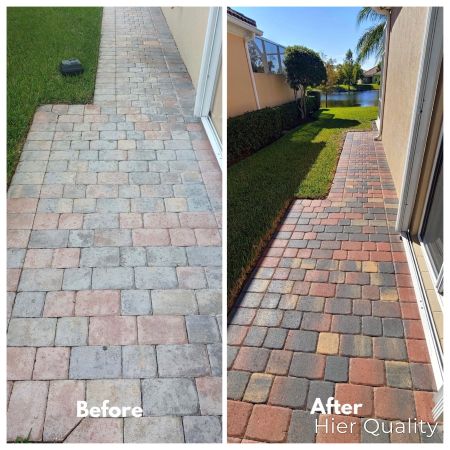
In coastal Florida, sun, salt air, and sudden downpours can be hard on hardscapes. If your patio or driveway is travertine or concrete, the right sealer makes all the difference. This guide explains how each surface responds to paver sealing in Melbourne, FL, so you can choose protection that keeps color rich, joints tight, and surfaces easier to maintain.
Every paver system is unique, and material matters. Travertine is a natural stone with tiny pores and vein channels. Concrete pavers are engineered units with sand and cement that can wick moisture. The way these surfaces absorb water, resist stains, and handle Florida UV is different, which is why the product and finish you choose should match the material. For tailored recommendations from a local pro, explore our paver sealing service.
What Makes Travertine And Concrete Pavers Different?
Both look great, but they behave differently outdoors. Here’s a simple way to think about it: travertine is like a breathable sponge that likes a light, protective rain jacket. Concrete is like a sturdy sweatshirt that benefits from a weatherproof outer layer and strong seams.
- Travertine: Natural limestone, more porous, cooler underfoot, needs breathable protection that soaks in and guards against salt, spills, and etching.
- Concrete pavers: Dense but absorbent, more prone to color fade and efflorescence, benefit from film-forming sealers that deepen color and stabilize joints.
In neighborhoods from Viera and Suntree to the Eau Gallie Arts District and West Melbourne, exposure shifts a lot. Pool decks get splash and chemicals. Riverfront patios near the Indian River Lagoon face salt spray. Driveways in full sun take a beating from UV and tire traffic. Your material plus your setting point to the right plan.
How Paver Sealing Needs Change By Material In Melbourne, FL
Travertine: Protecting A Porous Natural Stone
Travertine’s beauty comes from mineral patterns and open pores. It likes a penetrating, breathable sealer that sinks below the surface instead of forming a thick film on top. This helps resist stains from leaves, grills, and pool water without trapping moisture in the stone. Many homeowners prefer a natural or light-enhancing finish that keeps the elegant, matte look. If you want a slight color pop, there are enhancers that deepen tone while staying breathable.
Joint integrity matters too. Around pools in Satellite Beach or Indialantic, splashing and wind can wash sand from joints and invite weeds. Quality sealing helps lock in joint sand and slow that washout, so edges stay tight and surfaces feel stable.
Concrete Pavers: Blocking Water And Stabilizing Joints
Concrete pavers respond well to film-forming sealers that create a protective layer on top. That layer helps with color retention, tire mark cleanup, and joint sand hardening. It can also deliver the popular “wet look.” If your driveway faces afternoon sun in Palm Bay or open areas of Melbourne, UV resistance is key to keeping color from fading.
Concrete can show efflorescence, the white, powdery salts that migrate up through the paver. The right prep and compatible sealer help reduce the look of this over time. A good system also tightens the joints, so storms don’t move sand and create dips or wobbly edges.
Climate Factors On The Space Coast
Our weather shapes your sealing strategy. Summer UV is intense. Afternoon thunderstorms bring heavy water loads. Coastal breezes can carry salt. Together, these push sealers to their limits. Matching the product to your surface and exposure is the best way to stretch life, cut algae growth, and keep maintenance simple.
Sealer Types And Finishes Homeowners Ask About
Choosing a sealer is like choosing the right jacket for the weather and the fabric. Some breathe. Some block. Some add shine. The right fit avoids headaches later.
- Penetrating sealers: Best match for travertine. They soak in, help resist stains, and let vapor escape. Finish is usually natural to lightly enhanced.
- Film-forming sealers: Common for concrete pavers. They sit on top, deepen color, and help stabilize joint sand. Available in matte, satin, or glossy.
- Hybrids and specialty blends: Aim to balance breathability with surface protection for tricky exposures like full sun driveways or shaded, damp patios.
Always choose a slip-resistant system around pools, especially for kids and older family members. Ask about cure time too. Florida humidity can slow drying, and rushing furniture back onto the surface can leave marks. Avoid heavy, thick coats that can haze or trap moisture. A well-matched system applied in the proper film build looks better and lasts longer.
How Often Should You Reseal In Melbourne, FL?
There is no one-size timing because materials, finishes, and exposure vary. Pool water, sun hours, coastal air, and traffic all affect how long protection holds up. Homes a few miles inland may go longer between service than ocean-adjacent properties. Rather than guessing by the calendar, watch for changes in performance and appearance.
Here are practical signs it’s time for fresh protection:
- Water no longer beads and quickly darkens the surface.
- Color looks flat or chalky compared to protected edges.
- Joint sand erodes, or small weeds begin to sprout.
- Mildew returns faster after routine cleaning.
- Tire scuffs or rust stains get harder to remove.
If you notice two or more of these on travertine or concrete, it’s smart to evaluate your sealer before our rainy season ramps up. For guidance tailored to your surface and exposure, our local team at Hier Quality Roof Cleaning & Pressure Washing can help assess options and maintenance intervals that fit your property.
You can also learn more about services and scheduling by visiting our home page for paver sealing in Melbourne, FL. It’s a quick way to see how protection aligns with your material, finish goals, and everyday use.
Common Issues We See And How Professional Sealing Helps
Efflorescence is a frequent question, especially on newer concrete installations. While it can be stubborn, proper prep and compatible sealers help mute it and make cleaning easier. In shaded areas of Eau Gallie or along canal lots, algae can return fast after storms. Correct sealing and joint stabilization slow growth and simplify upkeep during the wet months.
Rust from irrigation, leaf tannins, and grill drips are other concerns. Travertine benefits from penetrating protection that resists these common stains. Concrete pavers often respond best to film-formers that shield the surface and toughen joints. Lower-grade coatings may discolor under strong UV, so product choice matters in wide-open sun. Skipping surface prep can lock in stains or moisture; professional cleaning and evaluation help the sealer perform the way it should.
Choosing The Right Finish For Your Home
Your finish should fit the style of your space and how you use it. Around a bright, modern pool in Viera, a natural or satin sheen on travertine keeps things elegant and cooler underfoot. For a driveway in West Melbourne, a richer, wet-look finish on concrete can make color pop against the landscape and improve cleanup after daily traffic.
Think of finish like camera filters. Matte looks classic and hides minor scuffs. Satin offers subtle depth. Gloss brings the most color pop on concrete but needs slip awareness in wet zones. A reliable pro will match sheen to the surface and exposure, then apply it in the right thickness for strength without haze.
Why Homeowners In Melbourne, FL Choose Hier Quality Roof Cleaning & Pressure Washing
Local climate experience matters. Our team understands how salt air, UV, and heavy rains affect different paver materials from Indialantic to Suntree. We evaluate your travertine or concrete, then recommend products and finishes designed for Florida conditions. That way, your surface resists stains, looks great longer, and stays easier to maintain.
If your patio or driveway needs attention before summer storms, talk with a specialist who handles both natural stone and concrete systems. For details on prep, finishes, and scheduling that fit your home, explore our paver sealing experts page.
Ready To Protect Your Pavers?
Keep your outdoor spaces looking their best with a plan that matches your material and our coastal climate. Call Hier Quality Roof Cleaning & Pressure Washing at 321-358-6222 to schedule a visit, or learn more about options and finish choices on our paver sealing page. With the right protection, your travertine or concrete can stand up to Melbourne, FL weather and shine for years.
Get a Free Quote Today From Melbourne's Top Pressure Washing Company